
Motor City Pizza: A Comprehensive Baking Guide
Embark on a culinary journey to master the art of Detroit-style pizza, featuring a risen 8×10 dough, generously cheesed, and layered with flavorful toppings like roasted turkey․

What is Motor City Pizza?
Motor City Pizza, a delectable regional variation, distinguishes itself through a thick, rectangular crust boasting incredible airiness and a delightfully crispy, caramelized edge․ This isn’t your average pizza; it’s a substantial, satisfying experience built upon layers of flavor and texture․ Imagine a dough, proofed to perfection in a seasoned steel pan, cradling generous amounts of Wisconsin brick cheese – a crucial element defining its unique character․
The assembly process is key, with cheese extending right to the pan’s edges, creating that signature lacy, crispy fringe․ Toppings, like freshly roasted turkey, are thoughtfully arranged, and a vibrant red sauce is strategically dolloped on top after baking, preserving its fresh, bright flavor․ It’s a pizza designed for sharing, a testament to Detroit’s culinary innovation, and a truly unforgettable bite․
The History and Origins of Detroit-Style Pizza
Born from the industrious spirit of Detroit in the mid-20th century, this pizza style emerged at Buddy’s Rendezvous, a former auto parts factory repurposed as a pizzeria․ Utilizing the readily available, deep steel pans previously used to hold auto parts, Buddy’s created a pizza unlike any other․ These pans, crucial to the pizza’s signature crispy crust, became the foundation of a culinary legacy․
The Wisconsin brick cheese, favored for its high fat content and exceptional melt, quickly became a defining characteristic․ Over time, the style spread beyond Buddy’s, gaining local popularity and eventually attracting national attention․ Today, Detroit-style pizza represents more than just a meal; it embodies the city’s resilience and innovative spirit, a delicious slice of history baked to golden perfection, often featuring toppings like roasted turkey․
Essential Equipment for Baking Motor City Pizza
To truly replicate the Detroit-style experience at home, specific equipment is paramount․ Foremost is the steel blue Detroit-style pizza pan – its high sides and conductive steel are non-negotiable for achieving that signature crispy, caramelized crust․ A high-hydration dough mixer, capable of handling wetter doughs, is also crucial, ensuring proper gluten development for a light and airy interior․
Beyond these core items, a kitchen scale for precise ingredient measurements is essential․ Consider a bench scraper for easy dough handling and a pizza cutter for clean slices․ While not strictly required, a baking steel can further enhance bottom crust crispness․ Remember, layering ingredients like cheese and roasted turkey requires careful attention, and the right tools make all the difference․
Steel Blue Detroit-Style Pizza Pan
The iconic steel blue pan isn’t merely aesthetic; it’s fundamental to Motor City pizza’s character․ Constructed from heavy-gauge steel, these rectangular pans – traditionally 8×10 inches – boast high, near-vertical sides that contain the molten cheese, creating the signature crispy, caramelized edge․ The steel’s excellent heat conductivity ensures rapid and even baking, crucial for developing that sought-after crust․
Unlike non-stick alternatives, seasoned steel develops a natural patina over time, enhancing its non-stick properties and flavor contribution․ Proper seasoning is key; regular oiling and baking prevent rust and maintain performance․ When layering ingredients, remember the pan’s height allows for generous cheese application, extending to the very edges, alongside toppings like roasted turkey, for maximum impact․
High-Hydration Dough Mixer
Achieving the airy, open crumb characteristic of Detroit-style pizza demands a robust mixer capable of handling high-hydration doughs․ Stand mixers with a powerful motor (at least 5-quart capacity) are ideal, equipped with a dough hook attachment․ The high water content – often exceeding 70% – creates a sticky, challenging dough that requires significant kneading power․
Spiral mixers are also excellent, offering superior gluten development․ Avoid overmixing, as this can lead to a tough crust․ The goal is to develop sufficient strength to support the toppings, including layers of cheese and roasted turkey, without compromising the dough’s delicate texture․ Proper mixing ensures even hydration and gluten distribution, vital for consistent results․
Ingredients Breakdown: The Foundation of Flavor
The soul of Motor City pizza lies in the quality of its ingredients, meticulously layered to create a symphony of taste and texture․ Starting with the dough, high-gluten flour is paramount for structure, supporting generous toppings like fresh roasted turkey․ Wisconsin brick cheese, known for its exceptional melt and creamy flavor, forms the iconic cheesy edge․
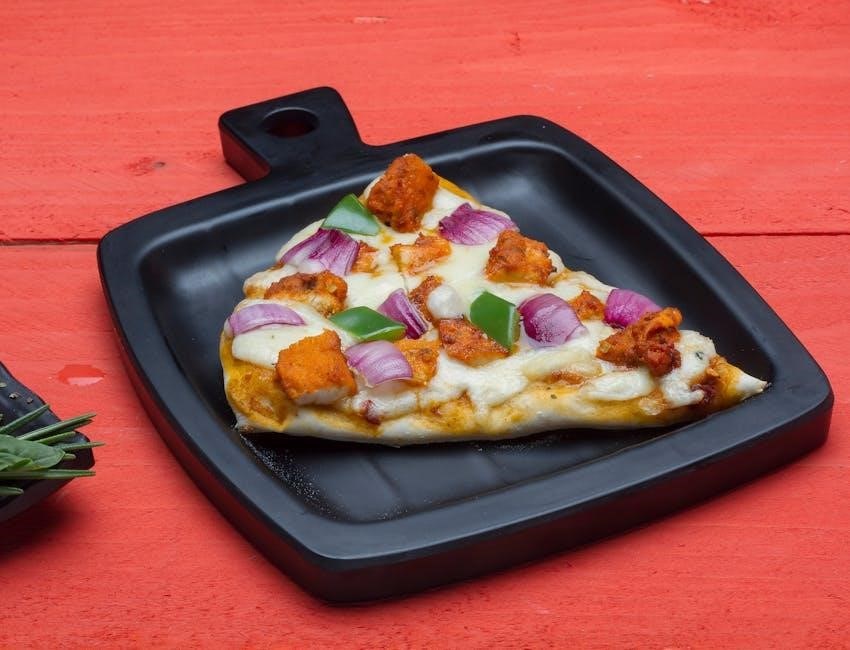
A vibrant, slightly sweet Motor City red sauce, applied in signature stripes post-bake, adds a crucial finishing touch․ Don’t underestimate the importance of quality olive oil, used liberally in the pan and dough․ These components, when combined thoughtfully, elevate the pizza beyond a simple meal, transforming it into a culinary experience․
High-Gluten Flour Selection
Choosing the right flour is non-negotiable when crafting authentic Motor City pizza․ High-gluten flour, typically around 12-14% protein content, is essential for developing the strong gluten network needed to support the high-hydration dough and substantial toppings – think layers of cheese and roasted turkey․ This robust structure prevents the pizza from becoming overly slack and ensures a delightfully airy, yet sturdy, crumb․
Bread flour is a popular choice, but some bakers prefer a blend of bread flour and a small percentage of whole wheat for added complexity․ Avoid all-purpose flour, as it lacks the necessary gluten strength․ Proper flour selection directly impacts the pizza’s signature crispy-chewy texture and overall structural integrity․
Wisconsin Brick Cheese: The Key Component
Genuine Motor City pizza hinges on the unique qualities of Wisconsin brick cheese․ This semi-hard cheese, developed in Wisconsin in the late 19th century, boasts a high fat content and a slightly tangy flavor profile that perfectly complements the rich dough and vibrant sauce․ Its exceptional melting properties are crucial, creating the signature caramelized cheese “frico” along the pan’s edges – a hallmark of Detroit-style pizza․
While mozzarella is often used in other pizza styles, brick cheese provides a distinct texture and taste․ Don’t substitute! Look for whole milk brick cheese for the best results․ Layering it generously, edge-to-edge, over the dough is paramount to achieving that iconic, crispy, cheesy perimeter, especially when paired with toppings like roasted turkey․
Motor City Red Sauce Recipe
The sauce in Motor City pizza isn’t a delicate, fresh tomato affair; it’s bold, robust, and applied after baking․ This distinguishes it from Neapolitan or New York-style pizzas․ Our recipe focuses on a cooked sauce, intensifying flavors and creating a vibrant finish․ Begin with a base of crushed tomatoes, adding tomato paste for depth and richness․
Season generously with garlic powder, onion powder, dried oregano, a pinch of red pepper flakes for subtle heat, and a touch of sugar to balance the acidity․ Simmer for at least 30 minutes, allowing the flavors to meld․ After baking your pizza, apply the sauce in characteristic stripes, enhancing both taste and visual appeal, even over turkey toppings․
Dough Preparation: Achieving the Perfect Rise
The foundation of exceptional Motor City pizza lies in a properly prepared, high-hydration dough; This isn’t a quick process; patience is key․ Begin with a high-gluten flour, crucial for developing the necessary strength to support the airy, open crumb structure․ Hydration levels typically range from 70-80%, resulting in a sticky, yet manageable dough․
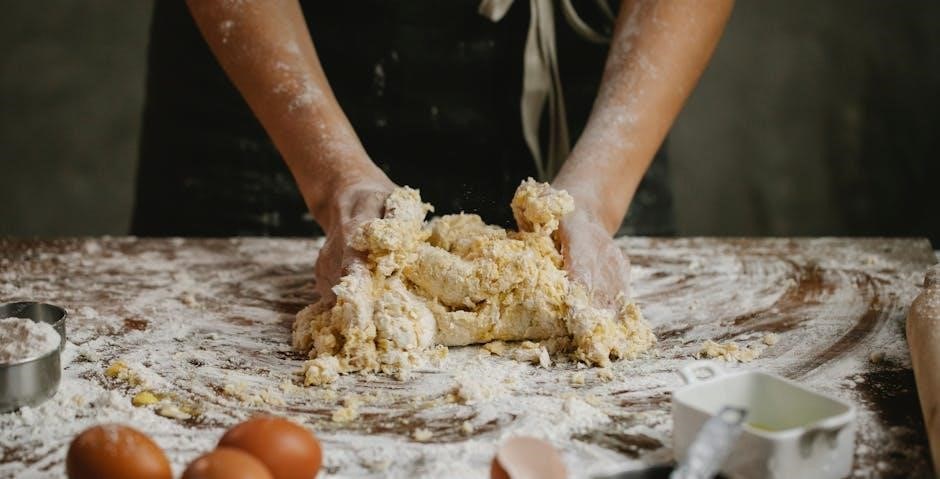
Proper kneading, whether by hand or with a mixer, is vital for gluten development․ Following kneading, bulk fermentation is essential – allowing the dough to rise slowly in a lightly oiled container․ Subsequent proofing, after shaping into the 8×10 pan, further enhances the texture, creating that signature light and airy interior, ready for cheese and toppings․
High-Hydration Dough Recipe (8×10 Pan)
For an authentic 8×10 Motor City pizza, this high-hydration dough recipe delivers exceptional results․ Combine 300g of high-gluten bread flour with 210g of water (70% hydration)․ Add 7g of instant dry yeast, 6g of salt, and 15g of olive oil․ Mix on low speed until a shaggy dough forms, then increase speed to medium and knead for 8-10 minutes until smooth and elastic․
Place the dough in a lightly oiled container, cover, and let bulk ferment for 2-3 hours, or until doubled in size․ Gently press the dough into a well-oiled 8×10 inch pan, ensuring it reaches the corners․ Allow a final proof of 30-60 minutes before topping and baking, achieving that perfect rise․
Bulk Fermentation and Proofing Techniques
Mastering fermentation and proofing is crucial for a light, airy, and flavorful Motor City pizza crust․ After initial mixing, allow the dough to bulk ferment in a lightly oiled container for 2-3 hours, or until doubled․ This develops gluten strength and complex flavors․
Following bulk fermentation, gently degas the dough and transfer it to your oiled 8×10 inch pan․ Cover loosely and allow a final proof for 30-60 minutes․ Watch for a noticeable rise and a slightly puffy texture․ Proper proofing ensures a beautifully risen crust, capable of supporting generous toppings and achieving that signature crispy edge․
Assembly: Layering for Maximum Impact
Strategic layering is key to achieving the iconic Motor City pizza experience․ Begin by pressing your proofed dough into the oiled 8×10 inch pan, ensuring it reaches all corners․ Next, generously distribute Wisconsin brick cheese, extending it fully to the edges – this creates the caramelized, crispy frico crust․
Following the cheese, carefully arrange your desired toppings, such as fresh roasted turkey and other flavorful additions․ Remember, Detroit-style pizza embraces bold flavors and abundant toppings․ Finally, prepare your Motor City red sauce for the signature stripes, applied after baking for a vibrant finish․ This layering sequence guarantees maximum flavor and textural contrast․
Cheese Application: Edge-to-Edge Coverage
Achieving the hallmark crispy, caramelized edge of Motor City pizza hinges on meticulous cheese application․ Wisconsin brick cheese is paramount; its unique properties melt and brown beautifully․ Generously layer the cheese directly onto the prepared dough, extending it completely to the pan’s edges – no gaps allowed! This full coverage is crucial for forming the signature frico crust․
Don’t be shy with the quantity; a substantial layer ensures ample browning and a satisfyingly cheesy bite․ Press the cheese gently into the dough to promote adhesion․ Remember, the cheese isn’t just a topping; it’s an integral component of the crust itself, creating that irresistible texture and flavor․
Topping Strategies: Classic and Creative Combinations
Once the cheese foundation is laid, unleash your creativity with toppings, but remember less is often more․ Overloading can lead to a soggy pizza and hinder proper caramelization․ Classic combinations like pepperoni, sausage, and mushrooms work wonderfully, complementing the rich cheese and tangy sauce․
However, don’t be afraid to experiment! Roasted turkey, as seen in some variations, offers a unique flavor profile․ Consider adding caramelized onions, spicy peppers, or even a drizzle of hot honey post-bake․ Strategically place toppings to ensure even distribution and avoid obscuring the cheese edge․ Prioritize quality ingredients for maximum impact․
Baking Instructions: Achieving the Crispy Crust
The baking phase is crucial for achieving that signature crispy, caramelized crust․ Preheat your oven to a high temperature, ideally between 450-500°F (232-260°C)․ Position the pizza on the lowest rack to maximize bottom heat and encourage crisping․ A preheated steel or baking stone can further enhance the crust’s texture, but isn’t essential․
Baking time will vary depending on your oven, but generally falls between 12-18 minutes․ Monitor closely for visual cues – a deeply golden-brown cheese, bubbling sauce, and a firm, crispy crust are indicators of doneness․ Rotate the pizza halfway through baking for even cooking․
Oven Temperature and Rack Position
Achieving the ideal Motor City pizza requires precise oven control․ A high baking temperature, ranging from 450°F to 500°F (232°C to 260°C), is paramount for developing a beautifully crisp and caramelized crust․ Preheating your oven thoroughly – for at least 30-60 minutes – is non-negotiable․
Regarding rack position, the lowest rack is strongly recommended․ This placement maximizes the direct heat exposure to the bottom of the pizza, fostering that signature crispy base․ If your oven has a convection setting, consider using it for the last few minutes to promote even browning, but monitor closely to prevent burning․
Baking Time and Visual Cues
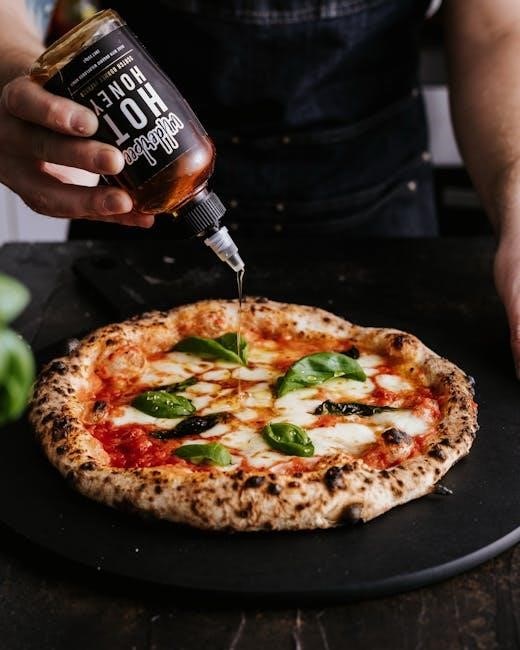
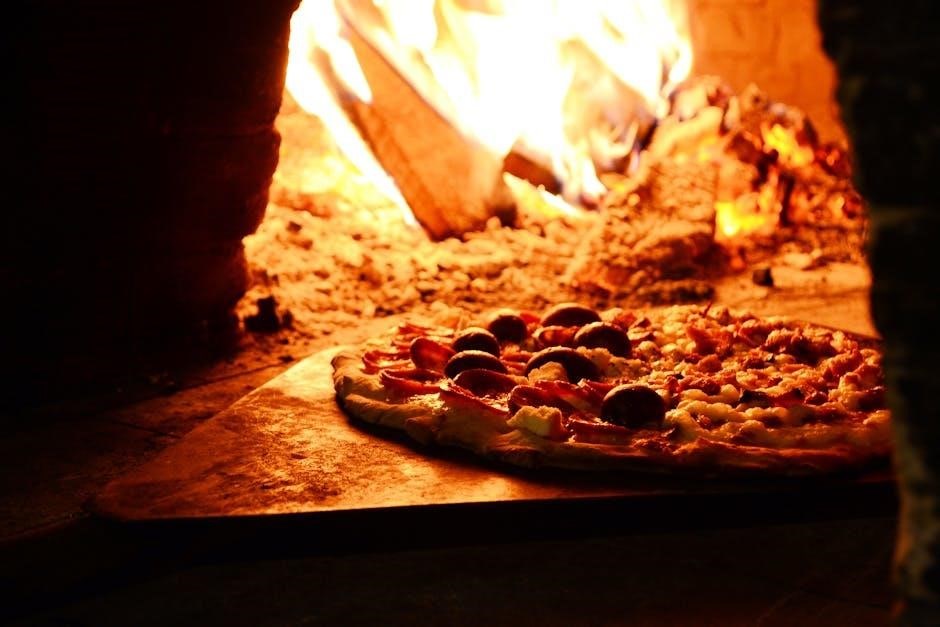
Baking duration for Motor City pizza typically falls between 18 to 25 minutes, but rely more on visual cues than a strict timer․ Initially, the cheese should melt and bubble vigorously, developing a golden-brown hue․ Simultaneously, the crust edges will begin to pull away from the pan, indicating a proper rise and crisping process․

Look for deep, dark caramelization along the cheese and crust edges – this is the hallmark of an authentic Detroit-style pizza․ The bottom crust should be firm and golden brown as well․ A slight wobble in the center is acceptable, as it will firm up during cooling․
Finishing Touches: Sauce Stripes and Final Details
Once the pizza emerges from the oven, allow it to cool slightly for a few minutes before applying the signature “sauce stripes․” Using a spoon or squeeze bottle, carefully drizzle the Motor City red sauce across the top of the baked pizza in parallel lines․ Don’t overdo it; the sauce should complement, not overwhelm, the cheese and toppings․
A sprinkle of grated Parmesan or Pecorino Romano cheese can add a final layer of savory complexity․ Fresh basil leaves, added after baking, provide a vibrant aroma and visual appeal․ Finally, let the pizza rest for 5-10 minutes before slicing and serving to allow the flavors to meld․
Troubleshooting Common Baking Issues
Encountering problems while baking Detroit-style pizza is common, but easily addressed․ A soggy crust often results from insufficient oven temperature or excessive moisture in toppings․ Ensure your oven is fully preheated and consider pre-baking the crust for a few minutes before adding toppings․ Inconsistent caramelization can be solved by rotating the pizza halfway through baking or briefly broiling the top for enhanced color․
If the cheese isn’t melting properly, your oven temperature might be too low․ Conversely, burnt cheese indicates it’s too high․ Adjust accordingly․ Remember, achieving the perfect Motor City pizza takes practice, so don’t be discouraged by initial setbacks!
Preventing a Soggy Crust
A hallmark of excellent Detroit-style pizza is a delightfully crisp crust, avoiding sogginess requires careful attention to detail․ Begin by ensuring your dough isn’t overly hydrated; while high hydration is key, balance is crucial․ Pre-heating your steel pan is paramount – a scorching hot pan creates immediate steam and a sturdy base․
Avoid overloading the pizza with wet toppings․ If using ingredients like fresh mozzarella or tomatoes, pat them dry beforehand․ Consider a brief pre-bake of the crust before adding sauce and cheese․ Finally, ensure adequate oven temperature; a lower temperature can lead to a pale, soft crust․ Proper technique yields a satisfyingly crunchy foundation․
Achieving Consistent Caramelization
The signature crispy, browned cheese edges of Motor City pizza are a visual and flavorful delight․ Consistent caramelization hinges on several factors, starting with the quality of your Wisconsin brick cheese – its natural sugars contribute significantly․ Ensure your oven reaches a high enough temperature; 450-500°F is ideal for promoting browning․
Applying a generous layer of cheese, extending fully to the pan’s edges, is essential․ A light brushing of olive oil or melted butter over the cheese can further enhance caramelization․ Monitor the pizza closely during the final minutes of baking, rotating if necessary, to ensure even heat distribution․ Patience and observation are key to achieving that perfect golden-brown hue․
Variations and Customizations
Once you’ve mastered the classic Motor City style, the possibilities for experimentation are endless! Feel free to swap the traditional roasted turkey for pepperoni, sausage, or even pulled pork․ Explore different cheese blends, incorporating provolone or mozzarella alongside the brick cheese for nuanced flavors․
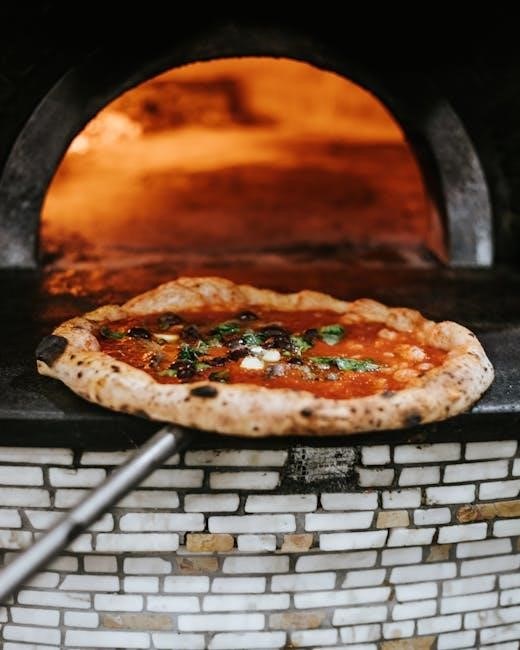
Vegetarian options thrive with roasted vegetables like peppers, onions, and mushrooms․ Don’t be afraid to play with the sauce – a spicy arrabbiata or a creamy pesto can offer exciting twists․ Consider adding a sprinkle of garlic powder or Italian seasoning to the dough for extra aroma․ Ultimately, customization allows you to create a Detroit-style pizza that perfectly reflects your personal taste․
Resources for Further Learning
To deepen your understanding and refine your Motor City pizza skills, several excellent resources are available․ Explore online forums dedicated to Detroit-style pizza, where bakers share tips, recipes, and troubleshooting advice․ YouTube channels specializing in pizza making offer visual guidance on dough handling, layering techniques, and achieving the perfect bake․
Dedicated websites and blogs provide in-depth articles on ingredient selection, fermentation processes, and equipment recommendations․ Consider joining a local pizza-making community or workshop to learn from experienced bakers․ Don’t hesitate to experiment and document your results – the journey to pizza perfection is a continuous learning process!