
AC Infinity Vent Fan Manual: A Comprehensive Guide
This manual details installation, operation, maintenance, and troubleshooting for AC Infinity vent fans, covering control settings, smart home integration, and safety precautions.
AC Infinity vent fans represent a cutting-edge solution for comprehensive air circulation and environmental control within diverse spaces. These fans are engineered to address a multitude of needs, ranging from simple ventilation to sophisticated climate management in grow rooms, kitchens, bathrooms, and beyond.
Unlike traditional fans, AC Infinity models often incorporate smart technology, allowing for precise control over speed, temperature, and humidity. This manual serves as a detailed guide to understanding and maximizing the potential of your AC Infinity vent fan. It will cover everything from initial setup and installation procedures to advanced features like remote operation and integration with smart home ecosystems.
Whether you’re a seasoned professional or a first-time user, this resource will empower you to optimize airflow, maintain ideal conditions, and ensure the longevity of your investment. Proper understanding of the fan’s capabilities is crucial for achieving optimal performance and realizing its full benefits.
Understanding the Core Functionality
AC Infinity vent fans operate on the principle of efficient air exchange, utilizing powerful yet quiet motors to move substantial volumes of air. The core functionality extends beyond simple airflow; many models incorporate intelligent features like temperature and humidity sensing. These sensors enable automated speed adjustments, maintaining optimal environmental conditions without manual intervention.
Central to their operation is the ability to exhaust stale air, introduce fresh air, and regulate internal climate. The fans often feature multiple speed settings, allowing users to tailor performance to specific requirements. Furthermore, some models include timer functions for scheduled operation and remote control capabilities for convenient adjustments.
Understanding these core functionalities – airflow, sensing, automated control, and user customization – is key to effectively utilizing your AC Infinity vent fan and achieving desired results in any application.
Installation Procedures
Proper installation ensures optimal performance and safety; carefully unpack components, select a mounting location (wall, ceiling, or ducting), and follow electrical guidelines.

Unboxing and Component Check
Upon receiving your AC Infinity vent fan, carefully inspect the packaging for any signs of damage incurred during shipping. Gently open the box and verify that all listed components are present.
Typically, you should find the fan unit itself, a mounting bracket, screws and anchors for secure installation, a user manual detailing operation and safety, and potentially ducting adapters depending on the model.
Cross-reference the contents with the parts list in the manual. If any components are missing or appear damaged, immediately contact AC Infinity customer support for assistance. Do not attempt to assemble or operate a fan with missing or damaged parts.
Retain the original packaging for potential warranty claims or future transportation. A thorough component check before installation prevents delays and ensures a smooth setup process.
Mounting Options: Wall, Ceiling, and Ducting
AC Infinity vent fans offer versatile mounting options to suit various installation needs. Wall mounting is straightforward, utilizing the provided bracket and screws, ensuring a secure fit to studs or with appropriate anchors.
Ceiling installation requires careful consideration of structural support and may necessitate additional hardware depending on the ceiling type. Ducting options allow for efficient air exhaust or intake, connecting the fan to flexible or rigid ductwork using clamps.
Ensure proper sealing around duct connections to prevent air leaks and maximize performance. The fan’s orientation impacts airflow; consider the desired ventilation path when choosing a mounting location.
Always adhere to local building codes and safety regulations during installation. Proper mounting is crucial for stable operation and longevity of the fan.
Electrical Connections and Safety Precautions
Before any electrical work, always disconnect power at the breaker box to prevent electric shock. AC Infinity fans typically require a standard electrical outlet, but confirm voltage compatibility.
Proper grounding is essential for safety; utilize the provided grounding wire and connect it to a grounded electrical box. Avoid overloading circuits by ensuring the fan’s power consumption doesn’t exceed the circuit’s capacity.
Inspect wiring for damage before connecting. Use appropriate wire connectors and ensure secure connections to prevent loose wires and potential hazards.
If unsure about electrical work, consult a qualified electrician. Never operate the fan with damaged wiring or a compromised electrical connection. Adherence to these precautions is vital for safe operation.

Operating Your AC Infinity Vent Fan
Explore the control panel functions, speed settings, and timer programming for optimized ventilation. Remote control pairing and smart home integration enhance usability.
Control Panel Overview and Functions
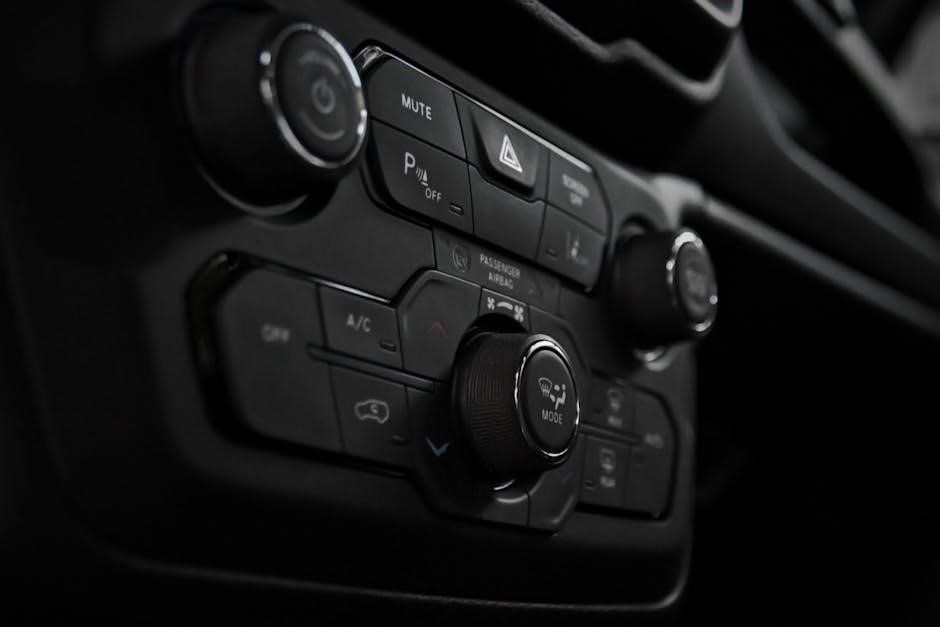
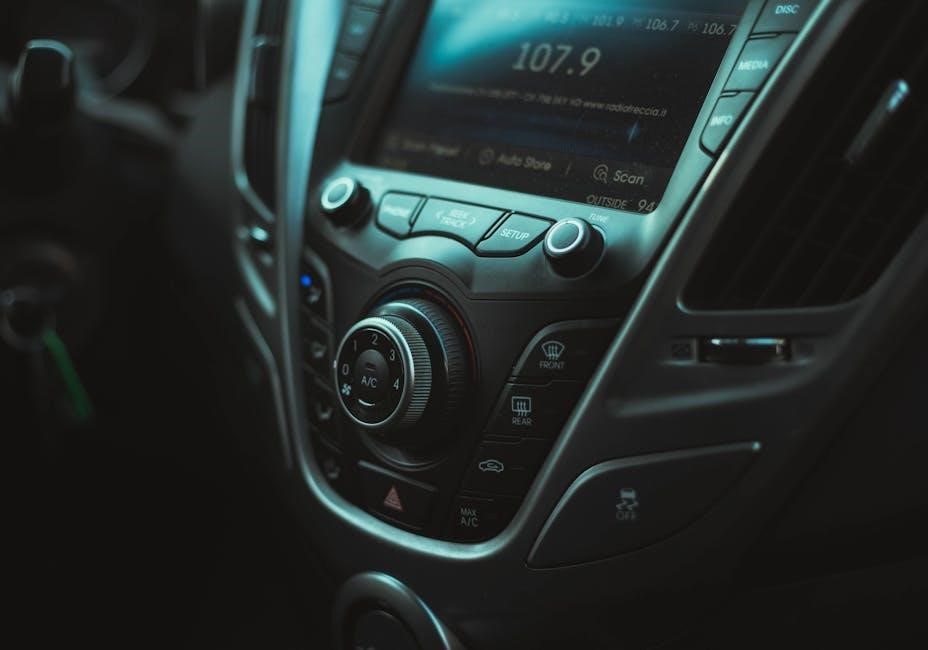
The AC Infinity vent fan control panel serves as the central hub for managing fan operation. Typically, it features a digital display indicating current settings like speed and timer duration. Power buttons initiate or terminate fan activity, while dedicated speed control buttons – often labeled Low, Medium, and High – allow for precise airflow adjustments.
A timer function, accessible via dedicated buttons or a menu system, enables automated operation, setting the fan to run for a specified period. Some models incorporate temperature and humidity sensors, displaying readings directly on the panel. Advanced panels may include buttons for calibration or accessing specialized modes. Understanding these functions is crucial for tailoring ventilation to specific needs, ensuring optimal performance and energy efficiency.
Speed Settings and Their Applications
AC Infinity vent fans offer multiple speed settings to accommodate diverse ventilation requirements. The Low speed is ideal for continuous, quiet operation, maintaining gentle airflow for general air circulation or odor control. Medium speed provides a balance between airflow and noise, suitable for moderate ventilation needs like kitchen exhaust or bathroom humidity removal.
High speed delivers maximum airflow, perfect for rapid air exchange, removing strong odors, or quickly reducing humidity levels. Utilizing these settings strategically optimizes performance. For example, employing Low speed during sleep minimizes disturbance, while High speed is beneficial during cooking. Understanding these applications ensures efficient and targeted ventilation, maximizing the fan’s effectiveness for various scenarios.
Timer Functionality and Programming
AC Infinity vent fans often include a programmable timer function, enhancing convenience and energy efficiency. This feature allows users to set the fan to operate for a predetermined duration, automatically shutting off once the time elapses. Programming typically involves using the control panel to input the desired runtime in hours.
The timer is useful for applications like post-shower humidity control or kitchen odor removal, eliminating the need for manual operation. Some models offer multiple timer presets for quick selection. Utilizing the timer function not only saves energy by preventing unnecessary operation but also extends the fan’s lifespan. Refer to your specific model’s instructions for detailed programming steps and available timer options.
Maintenance and Troubleshooting
Regular cleaning and prompt issue identification ensure optimal fan performance and longevity; address noise, airflow, or control panel malfunctions swiftly for continued efficiency.
Cleaning Procedures for Optimal Performance
Maintaining a clean AC Infinity vent fan is crucial for consistent airflow and extended lifespan. Before any cleaning, always disconnect the fan from its power source to prevent electrical shock.
Begin by removing the fan cover and carefully detaching the fan blades. These components can be gently washed with a mild detergent and warm water. Avoid abrasive cleaners, as they can damage the plastic.
For the fan housing and motor, use a soft, damp cloth to wipe away dust and debris. A vacuum cleaner with a brush attachment can also be effective for reaching tight spaces. Ensure the motor is completely dry before reassembling the fan.
Inspect the filters (if applicable) and either wash or replace them according to the manufacturer’s instructions. Reassemble the fan carefully, ensuring all components are securely in place. Regular cleaning, ideally every 1-3 months depending on usage, will maximize performance.
Identifying Common Issues and Solutions
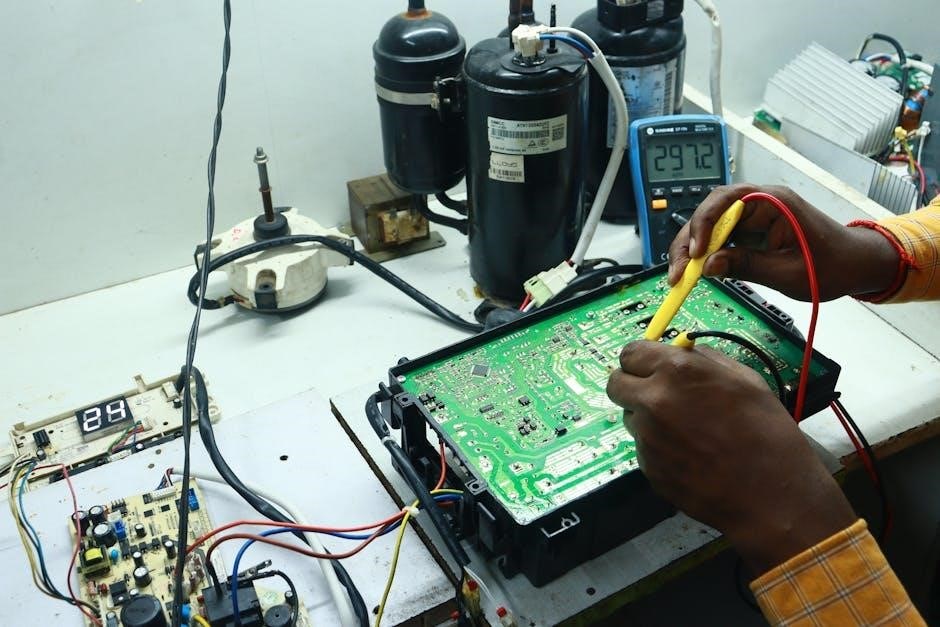
If your AC Infinity vent fan isn’t functioning correctly, several issues could be the cause. A common problem is reduced airflow, often due to dust accumulation – refer to the cleaning procedures.
Another issue might be unusual noises; check for loose screws or obstructions in the fan blades. If the fan doesn’t turn on, verify the power connection and ensure the control panel settings are correct.
For fans with temperature/humidity sensors, inaccurate readings could indicate calibration is needed. If the remote control isn’t working, replace the batteries or re-pair it with the fan.
If problems persist, consult the troubleshooting section of the full manual or contact AC Infinity support. Never attempt to repair the motor yourself, as this could void the warranty and pose a safety risk.
Fan Noise Reduction Techniques
Minimizing noise from your AC Infinity vent fan enhances comfort. First, ensure the fan is securely mounted to reduce vibrations – use rubber grommets if necessary. Check for obstructions near the fan blades, as these can cause rattling.
Lowering the fan speed is the simplest solution; utilize the control panel settings to find a balance between airflow and noise. For ducting installations, use flexible ducting to dampen sound transmission.
Properly sealing duct connections prevents air leaks that contribute to noise. Consider adding sound insulation around the fan housing or within the ductwork. Regularly cleaning the fan blades prevents imbalance and associated noise.
If noise persists, verify the fan isn’t directly connected to building structures, which can amplify vibrations.

Advanced Features and Settings
Explore temperature and humidity calibration, remote control pairing, and seamless integration with smart home systems for optimized, automated ventilation control.
Temperature and Humidity Sensor Calibration
Accurate readings are crucial for automated control. To calibrate the temperature sensor, compare the fan’s reading with a calibrated thermometer in the same environment. Adjust the offset within the fan’s settings menu until the displayed temperature matches the reference thermometer. Similarly, calibrate the humidity sensor using a calibrated hygrometer.
Access the calibration menu through the control panel, typically found under “Sensor Settings” or “Advanced Options.” Follow the on-screen prompts to input the correct values. Note: Frequent recalibration may be necessary if the sensor is exposed to extreme conditions or significant environmental changes. Improper calibration can lead to inefficient operation and inaccurate data. Always refer to the full manual for specific model instructions and recommended calibration intervals. Regular checks ensure optimal performance and reliable automation.
Remote Control Operation and Pairing
The remote control offers convenient, wireless operation of your AC Infinity vent fan. Initial pairing is usually automatic upon inserting batteries, but manual pairing may be required. Locate the “Pair” button on both the fan’s control panel and the remote. Press and hold both buttons simultaneously for 5-10 seconds until a confirmation signal (often a beep or flashing light) is received.
The remote replicates most control panel functions, including power, speed adjustments, timer settings, and potentially sensor overrides. Ensure a clear line of sight between the remote and the fan’s receiver for optimal performance. Note: Battery life varies depending on usage. Replace batteries when the remote’s range diminishes or becomes unresponsive. Refer to the full manual for specific remote button functions and troubleshooting pairing issues.

Integration with Smart Home Systems
AC Infinity vent fans are designed for seamless integration with popular smart home ecosystems. Compatibility typically includes platforms like Amazon Alexa, Google Assistant, and potentially others via Wi-Fi connectivity (depending on the model). This allows for voice control, automated scheduling, and remote monitoring through your existing smart home hub.
Setup usually involves connecting the fan to your home’s Wi-Fi network through the AC Infinity app. Once connected, you can link your AC Infinity account to your preferred smart home platform. Benefits include: creating custom routines (e.g., automatically adjusting fan speed based on humidity), monitoring fan status remotely, and controlling the fan alongside other smart devices. Consult the AC Infinity website or app for detailed integration instructions and compatibility lists.
Technical Specifications
Detailed specifications encompass motor type, power consumption, airflow rates, coverage area, and precise noise level measurements for optimal performance understanding.
Motor Type and Power Consumption
AC Infinity vent fans predominantly utilize brushless DC (BLDC) motors, renowned for their efficiency, durability, and quiet operation compared to traditional AC motors. BLDC motors offer superior speed control and a longer lifespan, reducing the need for frequent replacements. Power consumption varies significantly based on fan size and speed setting.
Smaller inline fans typically consume between 15-30 watts at their lowest speed, increasing to 40-60 watts at maximum speed. Larger, more powerful fans designed for whole-room ventilation can draw between 60-150 watts, depending on their capacity. The manual will specify the exact wattage for each model. Understanding power consumption is crucial for calculating operating costs and ensuring compatibility with power sources, especially when using multiple fans or connecting them to a generator or inverter.
Furthermore, the efficiency of BLDC motors contributes to lower energy bills and a reduced carbon footprint, making AC Infinity fans an environmentally conscious choice.
Airflow Rates and Coverage Area
AC Infinity vent fans are engineered to deliver specific airflow rates, measured in Cubic Feet per Minute (CFM), which directly correlate to the area they can effectively ventilate. Airflow varies significantly between models, ranging from approximately 100 CFM for smaller inline fans to over 800 CFM for larger, high-performance options.
Coverage area is determined by factors like ceiling height and room layout. As a general guideline, a fan with 100 CFM can adequately ventilate a space up to 100 square feet, while a 400 CFM fan can handle up to 400 square feet. For optimal performance, it’s recommended to slightly overestimate the required CFM based on specific needs, such as heat generation or humidity levels.
The manual provides detailed CFM ratings and suggested coverage areas for each fan model, ensuring users select the appropriate size for their application. Proper airflow is vital for maintaining air quality and preventing issues like mold growth.
Noise Level Measurements
Understanding the noise level of an AC Infinity vent fan is crucial for comfortable operation, especially in noise-sensitive environments. Noise is measured in decibels (dB), with lower numbers indicating quieter operation. AC Infinity fans are designed with noise reduction in mind, utilizing features like balanced fan blades and vibration-dampening mounts.
Typical noise levels range from approximately 25 dB on the lowest speed settings to around 45-55 dB on the highest settings. Specific dB ratings for each fan model are detailed in the technical specifications section of this manual. Factors like duct length, mounting surfaces, and fan speed significantly impact perceived noise.
The manual also provides tips for minimizing fan noise, such as using flexible ducting, isolating the fan from structural elements, and utilizing speed control features to operate at the lowest effective setting.
Safety Information
Always disconnect power before maintenance. Follow all electrical codes, heed warnings, and review warranty details for safe operation and support.
Important Safety Warnings and Precautions
Before installing or operating your AC Infinity vent fan, carefully review these crucial safety guidelines. Always disconnect the power supply at the breaker before performing any maintenance, wiring, or cleaning procedures to prevent electrical shock.
Ensure proper grounding to minimize the risk of electrical hazards. Do not operate the fan in wet or damp environments, and avoid direct contact with water. This appliance is not intended for use by persons (including children) with reduced physical, sensory, or mental capabilities, or lack of experience and knowledge, unless supervised.
Keep flammable materials away from the fan’s operation area. Never insert objects through the fan’s grill while it’s running. Regularly inspect the power cord for damage and replace it if necessary. Improper installation or use can void the warranty and create a safety risk.
Warranty Information and Support
AC Infinity provides a comprehensive warranty against defects in materials and workmanship for a period of [Insert Warranty Period ― e;g., 2 years] from the date of purchase. This warranty covers repair or replacement of the unit, at AC Infinity’s discretion, and does not cover damage resulting from misuse, improper installation, or unauthorized modifications.
To initiate a warranty claim, please retain your proof of purchase and contact AC Infinity’s customer support team via their website [Insert Website Address] or email [Insert Email Address]. Our dedicated support staff is available to assist with troubleshooting, answer questions, and guide you through the warranty process.
For frequently asked questions, detailed product information, and additional resources, please visit the AC Infinity support portal. We are committed to providing excellent customer service and ensuring your satisfaction with our products.
Disposal and Environmental Considerations
AC Infinity is committed to environmentally responsible practices. When your vent fan reaches the end of its lifespan, please do not dispose of it with general household waste. Electronic components contain materials that can be harmful to the environment if not handled properly.
Instead, please utilize your local electronic waste recycling facilities. Many communities offer designated drop-off locations or collection events for electronic devices. Check with your municipal waste management authority for specific instructions on e-waste disposal in your area.
By recycling your AC Infinity vent fan, you contribute to the conservation of resources and the reduction of pollution. We encourage responsible disposal practices to minimize our collective environmental impact and promote a sustainable future.